Technology’s Role in the Modern Med Spa
I’m Kendra Smith—a practice manager and med spa operations consultant with a hands-on role in both the day-to-day and the bigger picture. I manage everything from marketing and client communication to backend systems and workflow inside a busy med spa. My perspective comes from being directly involved in what actually drives growth and retention, with a strong focus on creating a seamless experience for both the client and the provider.
I recently had the opportunity to partner with Meevo on their Thought Leadership Webinar Series—a space designed for real, candid conversations about the topics that matter most to owners and managers today. I’m excited to kick off a two-part blog series here on the Meevo platform, where I’ll be sharing my perspective on some of the topics I’m most passionate about in the med spa industry.

Technology plays a major role in how med spas operate today. Over the past few years, the industry has seen a clear shift. What used to be manual is now supported by systems. Booking, communication, documentation, and reporting are all more accessible than ever.
On the surface, it seems like everything should run efficiently. But in reality, there is often a gap between having technology and using it effectively. The issue is not access. It is execution.
Most med spas today have the tools they need. Online booking, automated reminders, and client communication are now expected. Clients value convenience and clear communication, and technology helps deliver that. But adoption alone does not create growth. You can have the most efficient software on the market, but if you are not using it to its full capability, you are not growing. This is where many practices fall short. Follow-ups are inconsistent. Client communication varies. Schedules are not always managed with intention. Data is collected, but not always used to guide decisions. The challenge is not the system itself. It is how consistently it is being used.
Where Manual Processes Are Still Costing Time & Revenue
Even with strong systems in place, many practices are still relying on manual processes in key areas—missed follow-ups with clients who intended to return, limited re-engagement with inactive clients, open appointments that could have been filled, and inconsistent review requests.
Individually, these may seem small. Over time, they directly impact retention and revenue. Most clients do not leave because of a negative experience. They simply get busy. Without a system in place to reconnect with them, they do not return. And the cost of that is higher than most owners realize: a 2025 analysis by Artisan Strategies found that acquiring a new patient costs between $247 and $1,435, while retaining an existing one costs just $35 to $85.

What To Prioritize When Evaluating Technology
It’s easy to focus on features. But the most important factor isn’t how advanced a system is. It’s whether it’ll actually be used consistently by your team. The best technology—from booking to treatment to follow-up and long-term retention—is easy to use, integrated with your existing workflow, consistent across all providers & staff, and aligned with the full client journey. If there are gaps anywhere in that process, they’ll show up in the client experience and in the business.
The Backend is Where Technology Creates Real Growth
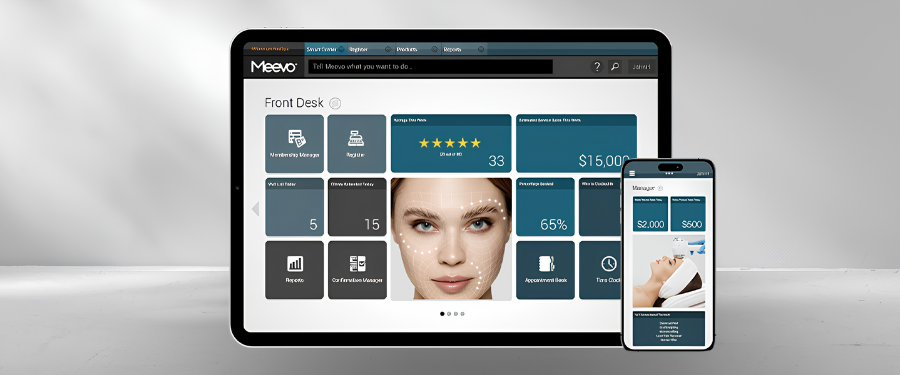
The client-facing experience gets the attention, but the backend is where technology has the greatest impact. This is where you should have visibility and it’s where decision-making happens on things like inventory tracking, provider performance, service profitability, client retention patterns, and revenue trends.
Without clear backend systems, it becomes difficult to answer the questions that matter most: Which services are actually driving revenue? Where are the gaps in the schedule? Which clients haven’t returned, and when should they be contacted? When that information is not easily accessible, decisions become reactive instead of intentional.
It’s important to remember that the front end supports the client experience, but the backend drives the business. Strong backend systems create clarity, allow teams to plan ahead & adjust strategy, and help your business grow with more consistency.
What a Well-Integrated System Actually Looks Like
When the right technology is being used effectively, it doesn’t feel complicated. The right system should allow clients to book easily, automate clear & timely communication, and take follow-ups & reengagements off your plate. Internally, the ideal system provides clarity and positions you to take action based on real data.
The right med spa software isn’t supposed to create more work or worry—it’s supposed to support better decisions. When used to its full potential, an all-in-one system can connect the client experience from start to finish and create the consistency needed for long-term growth.
Stay tuned for part two, where I’ll share my perspective on the state of the med spa industry, what’s driving growth, and what actually matters for the road ahead. And if you haven’t checked out the Meevo Thought Leadership Webinar Series yet, you can watch the replay here. They cover the topics that matter most across the salon, spa, and med spa industries, so keep an eye out for what’s coming & join in on the next one!